Framework
Deal Inspection
A weekly rhythm for examining the deals that matter against MEDDPICC and judging the decisions inside them.
The steps
- Pick the few deals that decide the quarter and inspect those properly rather than skimming the whole pipeline.
- Walk each one through MEDDPICC and ask how we know after every answer.
- Separate what the customer has proven from what the seller has assumed, and name the weakest letter.
- Agree one next action per deal with an owner and a date.
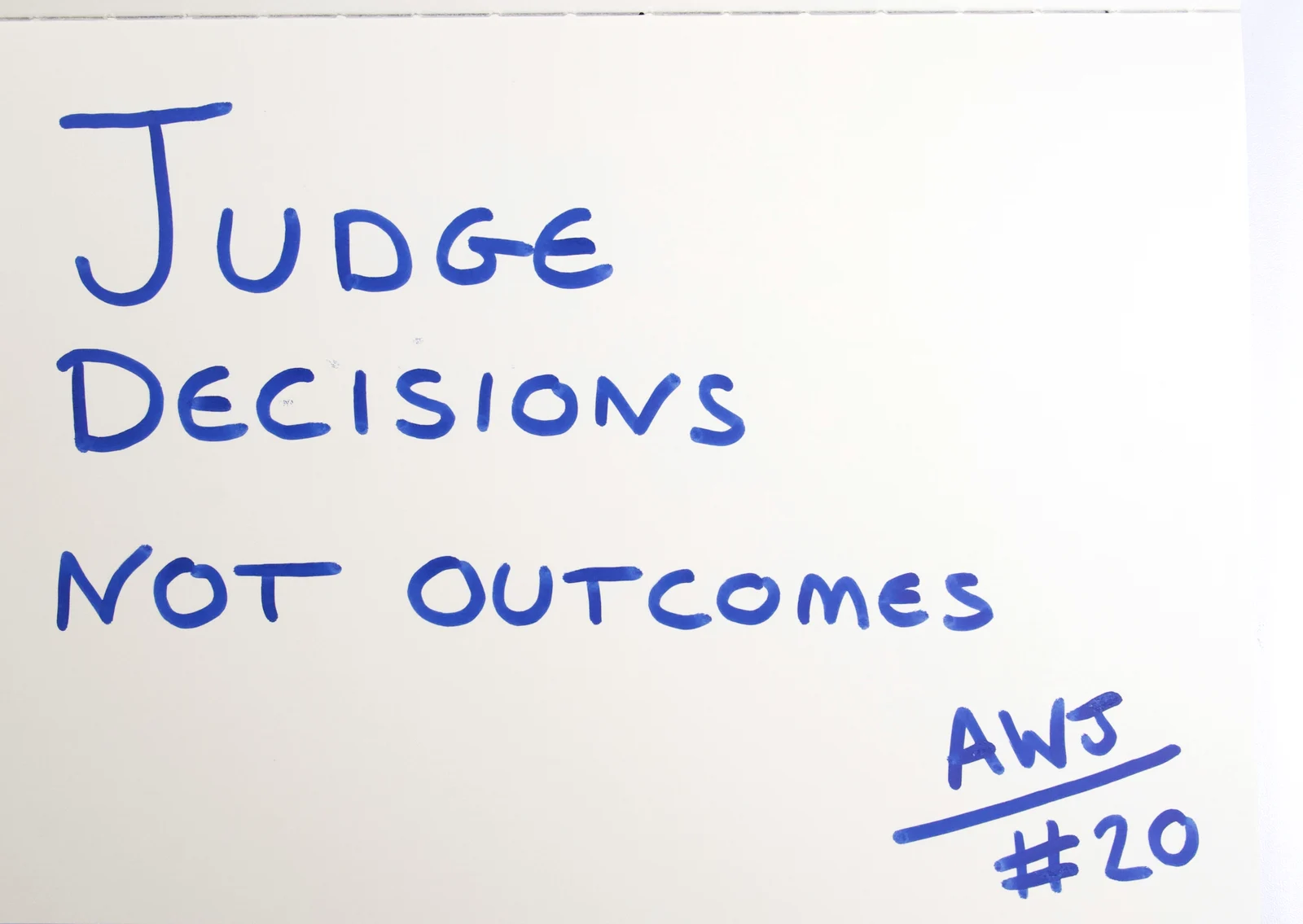
- Judge the quality of the decisions in the deal, not the colour of the stage or the result.
- Move any deal whose evidence does not match its forecast category, and qualify out the ones whose gaps will not close.
Deal inspection is the discipline of looking into a deal instead of listening to a summary of it. A seller tells you the deal is going great. Inspection asks how we know. Who is the Economic Buyer and when did we last speak to them? What Metrics has the customer agreed, in their words? What has the Champion done for us in the last fortnight? Where is the Paper Process and who owns it on their side? Every answer gets the same follow-up, and the follow-up is the whole method: how do we know?
It exists because a forecast is only as good as the evidence under it, and most forecasts are built on what reps say. Reps are not lying. They are optimistic, they are close to the deal, and they have a quarter to make. A leader who only hears the rep’s version is forecasting blind, and the miss, when it comes, is a surprise to everyone except the customer. Inspection is how a leader stops being surprised.
How to run it
First, choose. You cannot inspect forty deals in an hour, so pick the five or six that decide the quarter and go deep. Second, run the letters. MEDDPICC gives you the questions, and the rep’s answers go into one of three piles: proven by the customer, assumed by the seller, or blank. Third, find the weakest letter and agree one action that would change it, with an owner and a date.
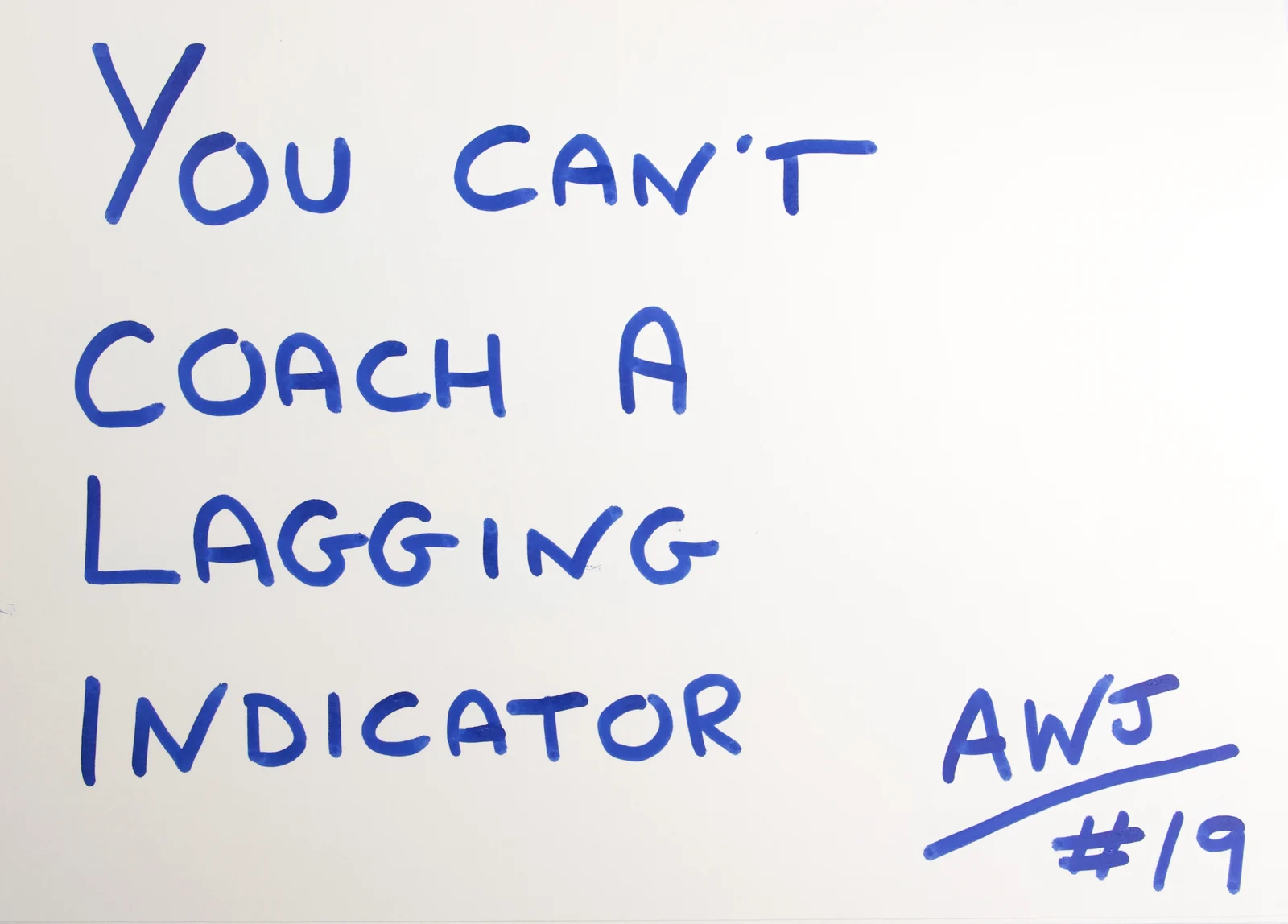
Fourth, judge the decisions. This is the part that separates inspection from interrogation. The question is never “why is this deal red?”. It is “what decision was made that left us without a Champion in week six, and what do we do differently?”. You can coach a decision. You cannot coach a result that has already happened.
That last point is the heart of it. Judge decisions, not outcomes. A rep who qualified out of a weak deal made a good decision even if a competitor later closed it. A rep who won without ever meeting the Economic Buyer got lucky, and luck does not scale. Inspection rewards the first rep and asks hard questions of the second, because the first behaviour produces forecasts you can trust and the second produces a quarter that depends on the weather.
Where it breaks
It breaks when it becomes an interrogation. A rep who leaves feeling attacked learns to hide the gaps, and a hidden gap is worse than an open one. It breaks when the leader inspects lagging indicators, shouting at a win rate the rep already knows about instead of coaching the Champion conversation that would change the next one. It breaks when actions are agreed and never followed up, so the same deal appears with the same gap three weeks running.
And it breaks when it is done in forecast week only. Inspection is a rhythm. Weekly, on the deals that matter, with the follow-ups kept. The forecast you can stand behind comes out of that rhythm and nowhere else.
From the journal