
Topic hub
Sales leadership
Deal inspection, forecast calls that find the truth, and what to do with A-Players and B-Players. Twenty years in sales, boiled down to the leadership habits that hold up on the last day of the quarter.
Where I stand
Sales leadership is a thinking discipline. The leader's job is to find the truth in every deal and raise the quality of thinking in the room, which means inspecting evidence rather than effort, defining commit and holding the definition every week, and judging people on their decisions rather than a single quarter's outcomes. There is no such thing as a C-Player. The B in B-Player stands for busy. Spend your time on the A-Players.
Every forecast call has the same two people in it. The rep who says “commit” and means “hope”, and the leader who hears “commit” and writes it down.
Your job is to be neither.
I have led sales teams for most of my twenty years in the job. At Poq I took the team from six to twenty in twelve months. I have also been the leader who wrote “commit” down and paid for it on the last day of the quarter.
What follows is what I learnt. None of it is complicated. All of it is uncomfortable.
Deal reviews that find truth
A deal review that finds the truth has one rule. The deal is on trial. The rep is not.
Put the rep on trial and you get a defence. Worked it hard. Chased. Pushed. Nurtured. Effort verbs, and not one of them tells you whether the deal will close.
A pipeline review I sat in recently had an AE with 27 open opportunities, every one of them yellow or red, defending each with the same line: “I’m working it hard.” He was. He was also the lowest performer on the team.
Put the deal on trial and the questions change. Who is the Economic Buyer, and when did we last speak to her? What has the Champion done for us while we were not in the room? What are the Decision Criteria, and who wrote them? Who owns the Paper Process on their side? Every answer is evidence or it is a gap, and the gap is the rep’s plan for next week.
A review that finds truth sends the rep away with a to-do list rather than a bruise.
Commit means what?
Forecast accuracy does not come from pressure. Hassling reps on a Monday produces a number that moves again the following Monday.
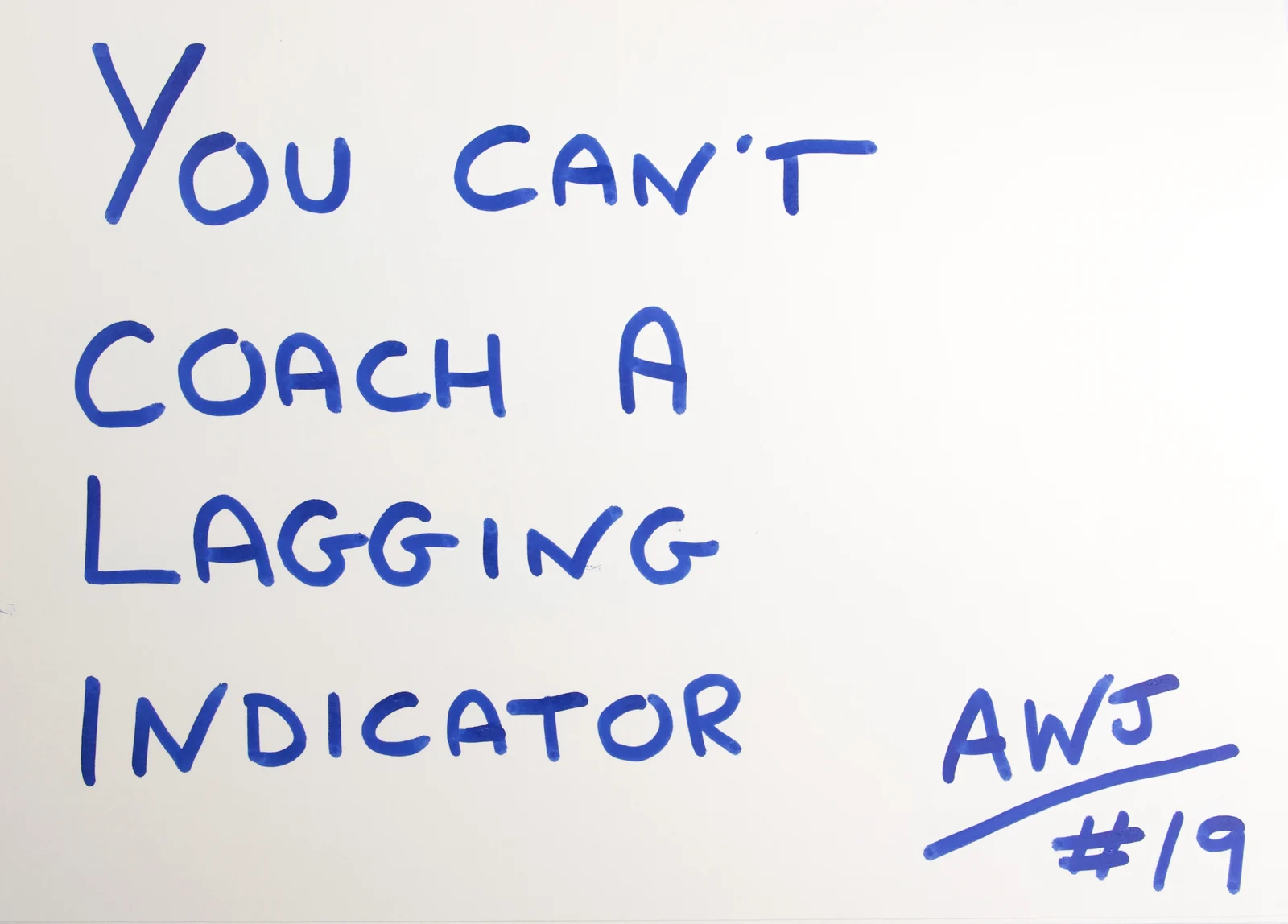
The number is a lagging indicator. By the time it is wrong, the quarter is over. You cannot coach a photograph. The leading indicators live inside the deal: a Champion who has introduced you to the Economic Buyer, Metrics the customer wrote down themselves, a Decision Process with dates on it, a Paper Process somebody on their side owns. Count those every week and the forecast looks after itself. Count only the number and you are coaching the scoreboard.
Activity is the trap on the other side. Calls made, emails sent, meetings booked. Those are leading indicators of effort, and coaching to them gets you reps who dial for the dashboard.
Two questions sort them. Can the rep change it before the next meeting? Will you be able to see whether she did? Attainment fails both. A tested Champion passes both.
So when a rep says “commit”, ask what they know. Commit means the Economic Buyer has agreed, the Paper Process is mapped and in motion, and the Champion has told you when it signs. Upside means the evidence is there but one of those is missing. Everything else is pipeline. Hold those definitions every week and the words start to mean something.
A, B and no C
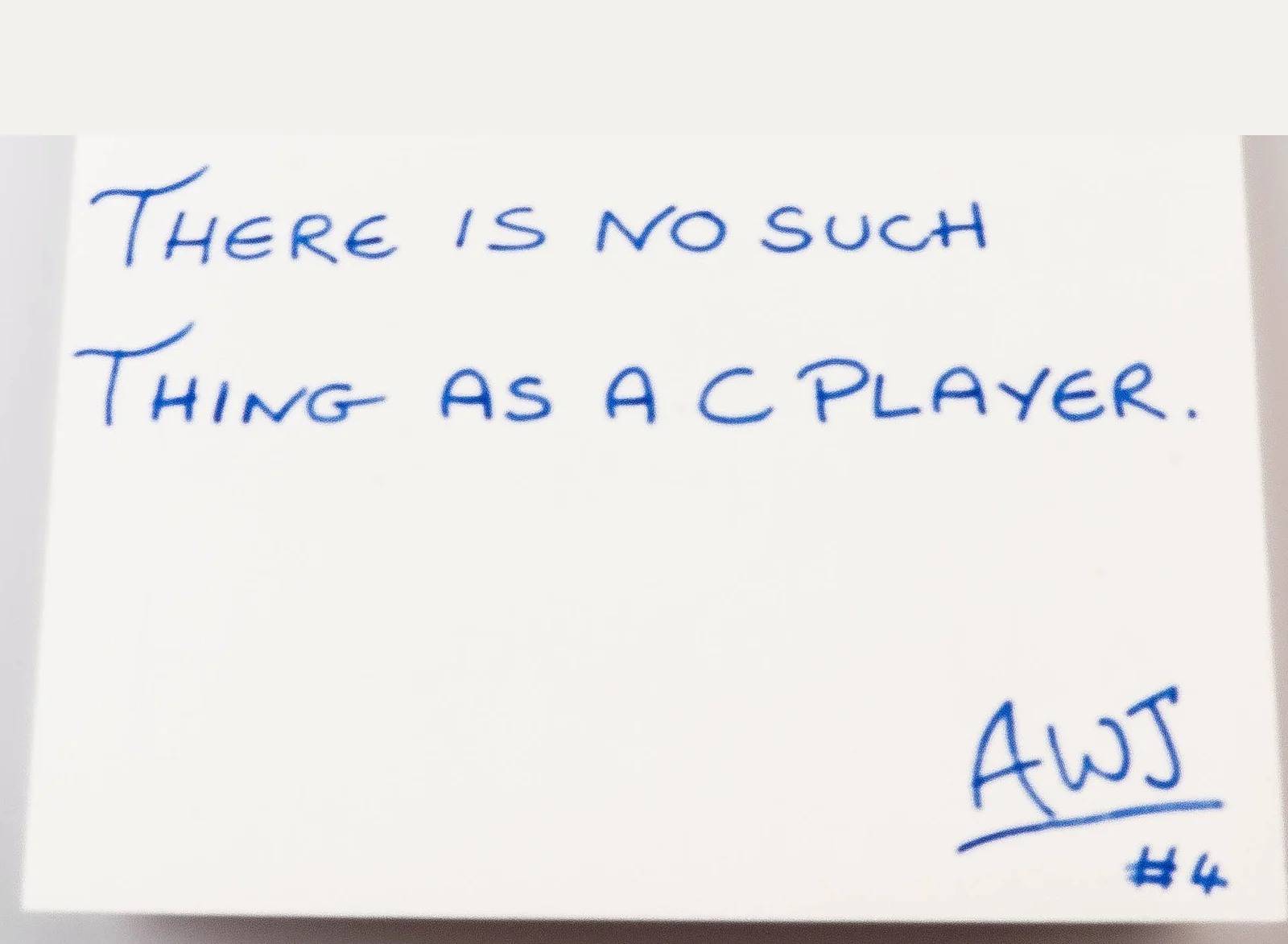
There is no such thing as a C-Player. Or at least, there should not be. You are an A-Player, or you are a B-Player with or without the potential to become one. Professional sports teams do not carry C-Players, so why should your team?
Two things make that lens fair. First, the rating is relative to the role. A junior AE with a year’s experience and a senior AE with ten can both be A-Players. Second, form. “Bringing your A game” is a phrase for a reason, and even the best fall out of it.
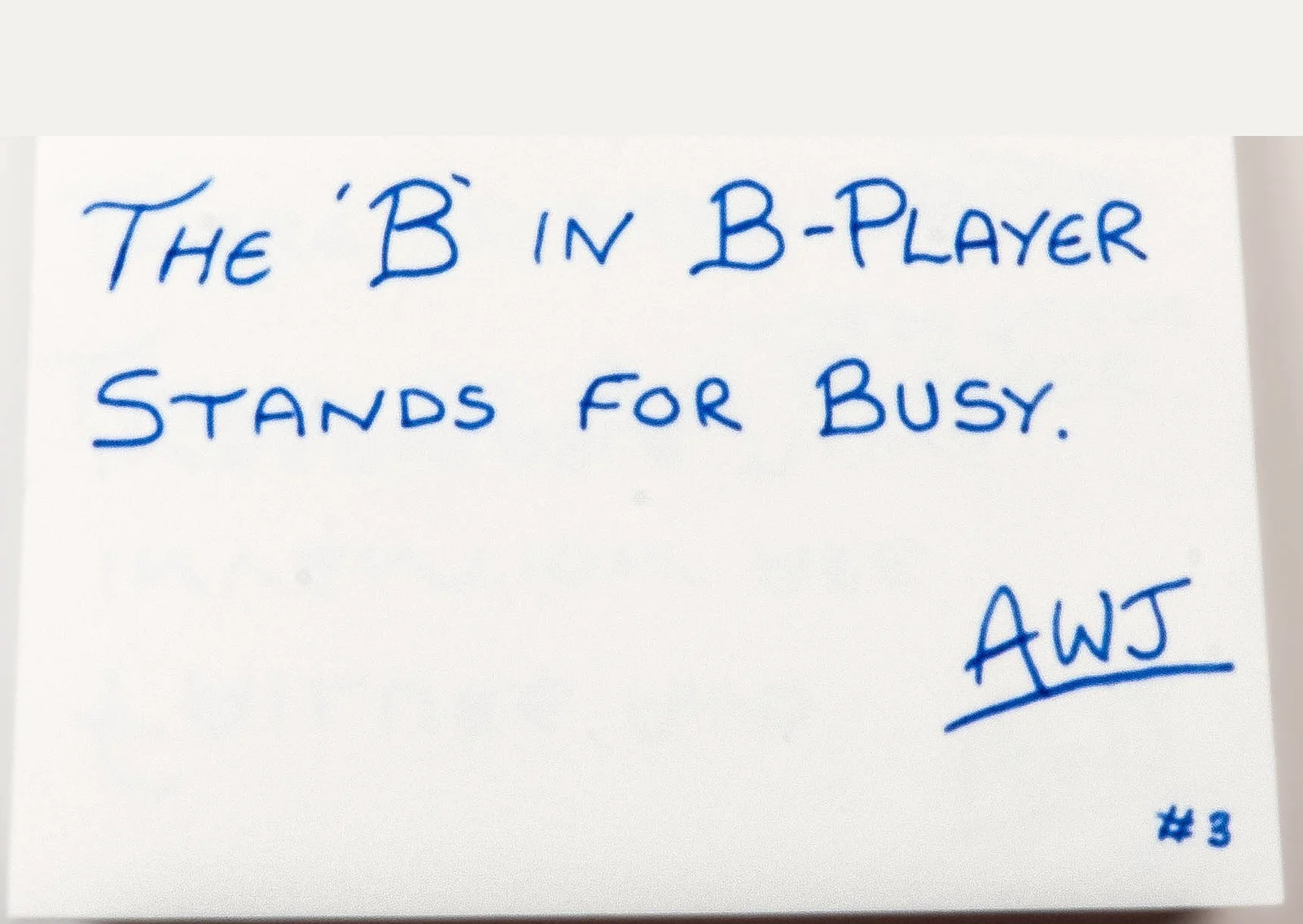
The B in B-Player stands for busy. A-Players focus on outcomes. B-Players focus on optics, and busyness is their camouflage.
The lights are on now. Every deal stage is in the CRM, every call is recorded, and anyone with an LLM can produce in ten minutes the deliverable that used to take three days. A full calendar is starting to look like an admission.
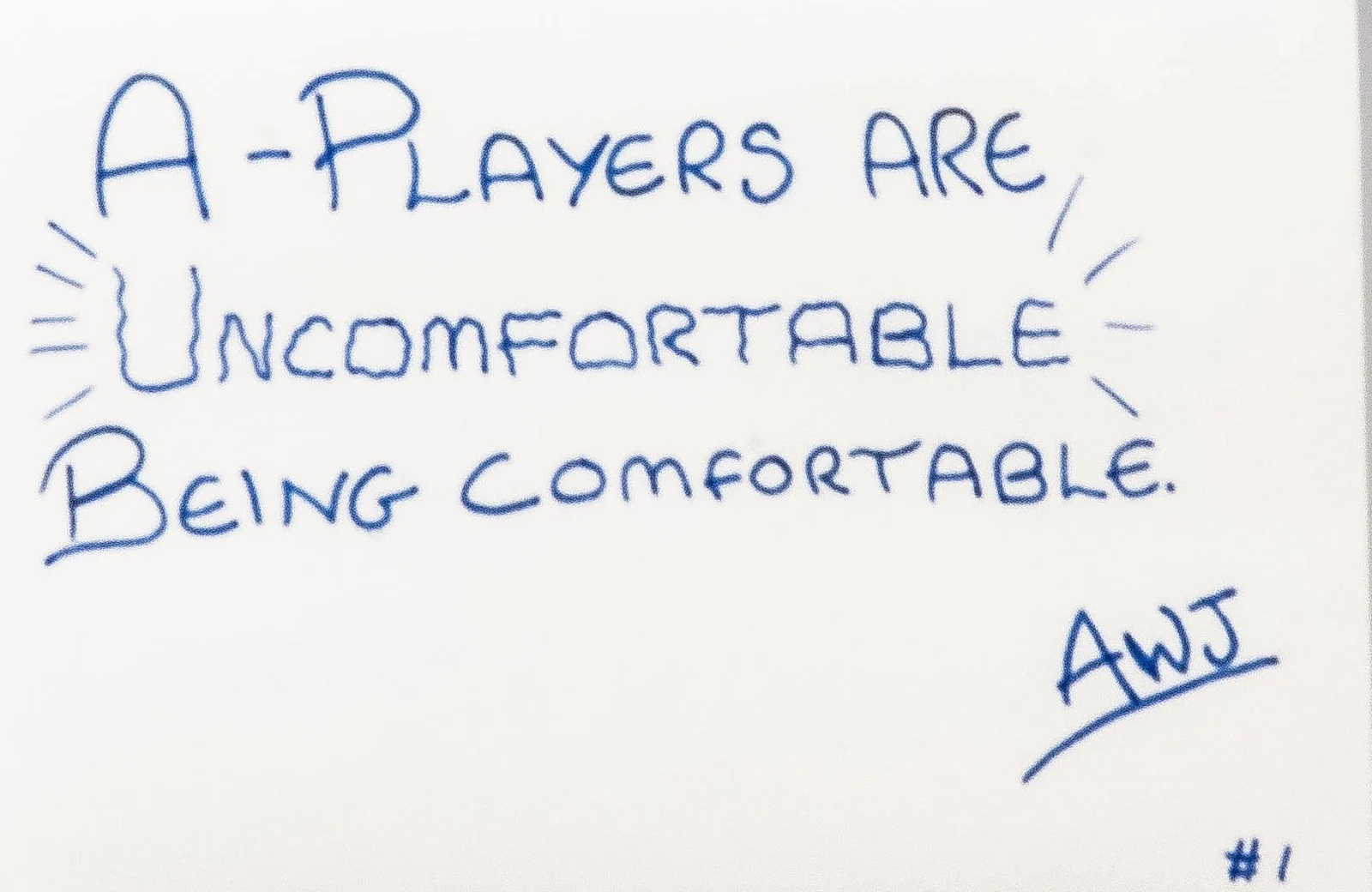
A-Players, meanwhile, are uncomfortable being comfortable. That is what one looks like on your team: suspicious of ease, hungry for feedback, slightly ill at the idea of easy.
Now look at where your time goes. Profile the team honestly. A-Players. B-plus Players, who have the potential to be A-Players or are temporarily out of form. B-minus Players, who do not have that potential.
Most leaders spend most of their week on the B-minus Players and then wonder why the A-Players leave. Spend it on the A and B-plus Players instead: a growth roadmap, barriers removed, recognition that is more than money. Unpopular opinion: the barriers tend to be the B-minus Players.
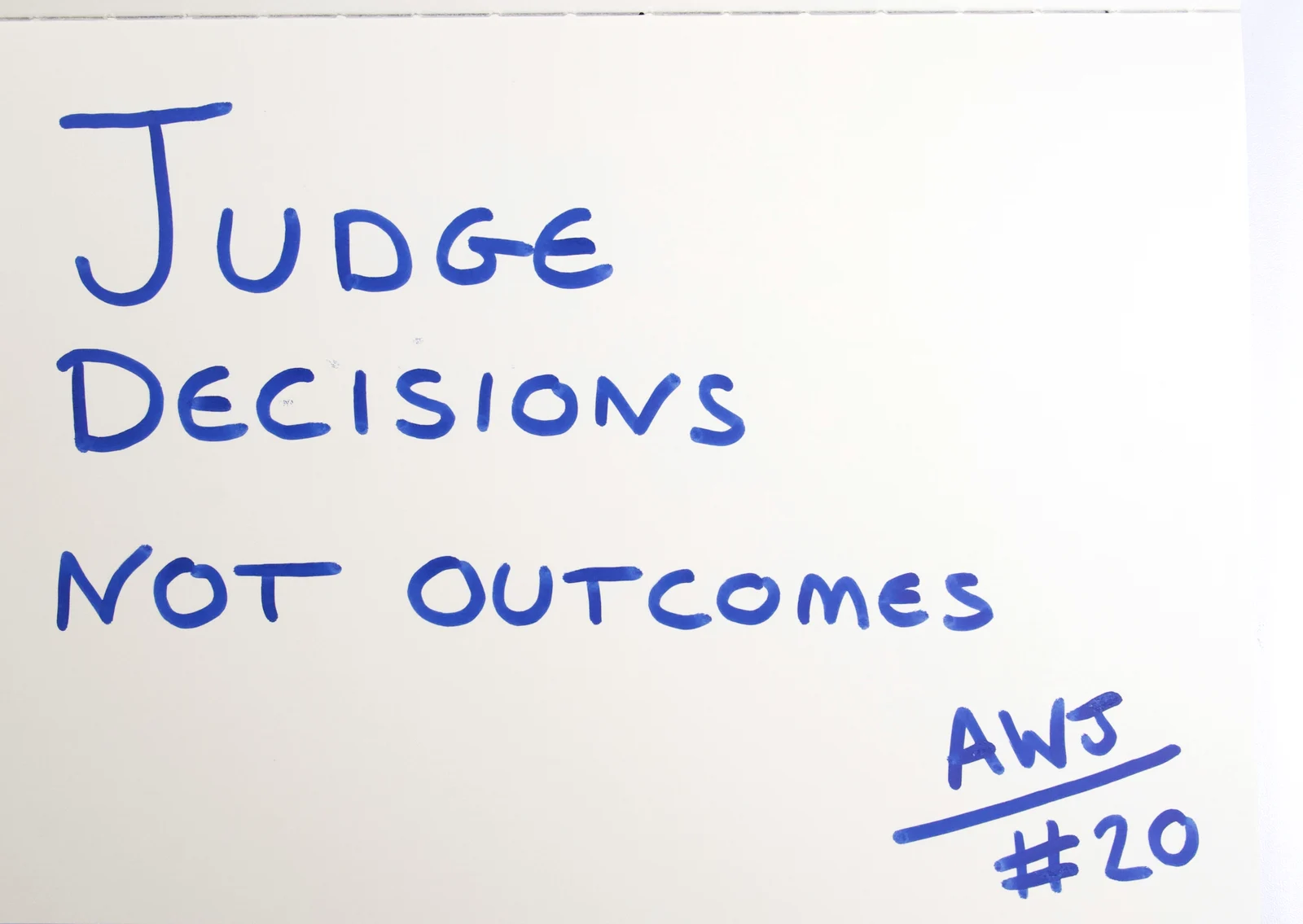
Judge the decision, not the outcome
A rep closes a deal with no Champion and an Economic Buyer she never met. Luck. Another rep loses a deal he ran perfectly, letter by letter, because the customer’s budget was pulled. Good decisions, bad outcome.
Reward the second rep. Coach the first. Every outcome is a mix of the decision and the luck that followed, and on a single deal you cannot tell them apart.
So judge the decision at the time it is made, in writing. What I knew. What I chose. What I expected. Three lines, dated. Review the lines when the outcome arrives, and praise the correct qualify-out out loud, because the team is watching what you reward. Good decisions compound. Luck does not.
That includes your own decisions. My biggest failure as a leader was a conversation I avoided for the best part of a year with an executive who was failing. I told myself I was gathering context. He resigned, and then he raised a grievance against the company.
Feedback is like milk. It is best served fresh, and it sours with every week you wait.
A thinking discipline
Sales leadership is a thinking discipline, and the leader’s job is to raise the quality of thinking in the room. Reps copy what you inspect. Inspect effort and you get busyness. Inspect evidence and you get qualification. Panic on the forecast call and you get sandbagging. Show calm, consistent, truthful urgency and you get a team that plays to the watch, not the calendar.
More than 35,000 people have been through the MEDDICC Masterclass. The change leaders describe most often afterwards is the shape of their pipeline review: they stopped asking where a deal would land and started asking what was true about it.
One habit holds it together. One page, every Friday, from every person on the team, including you.
A paragraph on what shipped, a paragraph on what was killed, a paragraph on what is next and why. Writing one page is hard. Running ten meetings is easy. The page exposes the week, which is the point.
The deal review questions, the commit definitions and the Friday page are written up as frameworks on this site, and the thinking behind them is in the book.
Take one deal from this week’s commit. Ask five questions about it, none of which contain an effort verb. What do you actually know?
From the journal
The Maxims on this subject.
Questions answered
The things people actually ask.
What is deal inspection in sales?
Deal inspection is the discipline of checking what a deal's evidence says rather than what the rep feels about it. A leader inspects a deal by asking how each MEDDPICC letter is known: who the Economic Buyer is and when they were last spoken to, what the Champion has done when the rep was not in the room, who owns the Paper Process. Evidence or gap, nothing else. The gaps become the rep's plan for the week.
How do you run a deal review that finds the truth?
Put the deal on trial, never the rep. A rep on trial defends with effort verbs: worked, chased, pushed, nurtured. A deal on trial answers four questions in order. Do we belong in this deal? Where is it strong for us? Where is it weak, and why? What actions move it forward? Run it that way and the rep leaves with a to-do list rather than a bruise, and the leader learns something true about the forecast.
How do you run a weekly forecast call?
Ask what each rep knows, never what they feel. Commit means the Economic Buyer has agreed, the Paper Process is mapped and moving, and the Champion has said when it signs. Upside means the evidence is there but one of those is missing. Everything else is pipeline. Hold those definitions every single week and the words start to mean something. Forecast accuracy comes from qualification, never from pressure, and a number produced under pressure moves again the following Monday.
What is the difference between commit and upside?
Commit is a deal where the Economic Buyer has agreed, the Paper Process is mapped and in motion, and the Champion has told you when it will sign. Upside is a deal with real evidence behind it where one of those three is still missing. If two or more are missing, it is pipeline, however much the rep wants it to be more. The definitions only work if the leader holds them every week without exception.
Why do deals slip at the end of the quarter?
Because the end of the quarter is the seller's compelling event, and the customer does not have one. Urgency is an emotion. You cannot email it and you cannot put it in a discount. It gets built on Pain the customer feels, Metrics they have quantified, and a Champion who wants the change for their own reasons. Deals without those three slip, and a Paper Process nobody mapped in month one makes sure of it.
What is the difference between an A-Player and a B-Player in sales?
A-Players focus on outcomes and are uncomfortable being comfortable. They want clear goals, accountability and measurable results, and they feel suspicious of ease. B-Players focus on optics. The B in B-Player stands for busy, because busyness is their camouflage: effort displayed as evidence. The tell in a pipeline review is the rep who defends every stalled deal with 'I'm working it hard'. Effort is an input. A-Players talk about what it produced.
Is there such a thing as a C-Player?
No. Or at least there should not be. You are an A-Player, or a B-Player with or without the potential to become one. Professional sports teams do not carry C-Players, so a sales team should not either. Two things make the lens fair: the rating is relative to the role, so a junior and a senior AE can both be A-Players, and it is subject to form, because even the best fall out of it.
Should sales leaders judge decisions or outcomes?
Decisions. A rep who closes a deal with no Champion and an Economic Buyer she never met got lucky. A rep who ran a deal properly, letter by letter, and lost it to a pulled budget made good decisions. Reward the second and coach the first, because decisions repeat and luck does not. Judge outcomes alone and you teach the team that luck is a strategy. Over a year, good decisions produce the outcomes anyway.
What are leading and lagging indicators in sales?
The number is the lagging indicator. By the time it is wrong, the quarter is over. The leading indicators live inside the deals: a Champion who has introduced you to the Economic Buyer, Metrics the customer wrote down themselves, a Decision Process with dates, a Paper Process somebody on their side owns. Count those every week and the forecast looks after itself. Count only the number and you are reading the scoreboard to find out how the match is going.
How do you create urgency in a sales team?
You cannot tell people to be urgent, because urgency is an emotion. It is built on how leaders behave. It needs a genuine truth behind it, consistency from one week to the next, and clear communication: the consequences of being un-urgent, the goal, and everyone's commitments with no room for vague expectation. Above all it must be authentic. Panic and performative busyness are the opposite of urgency. Real urgency plays to the watch, never the calendar.