
Topic hub
Imposter syndrome
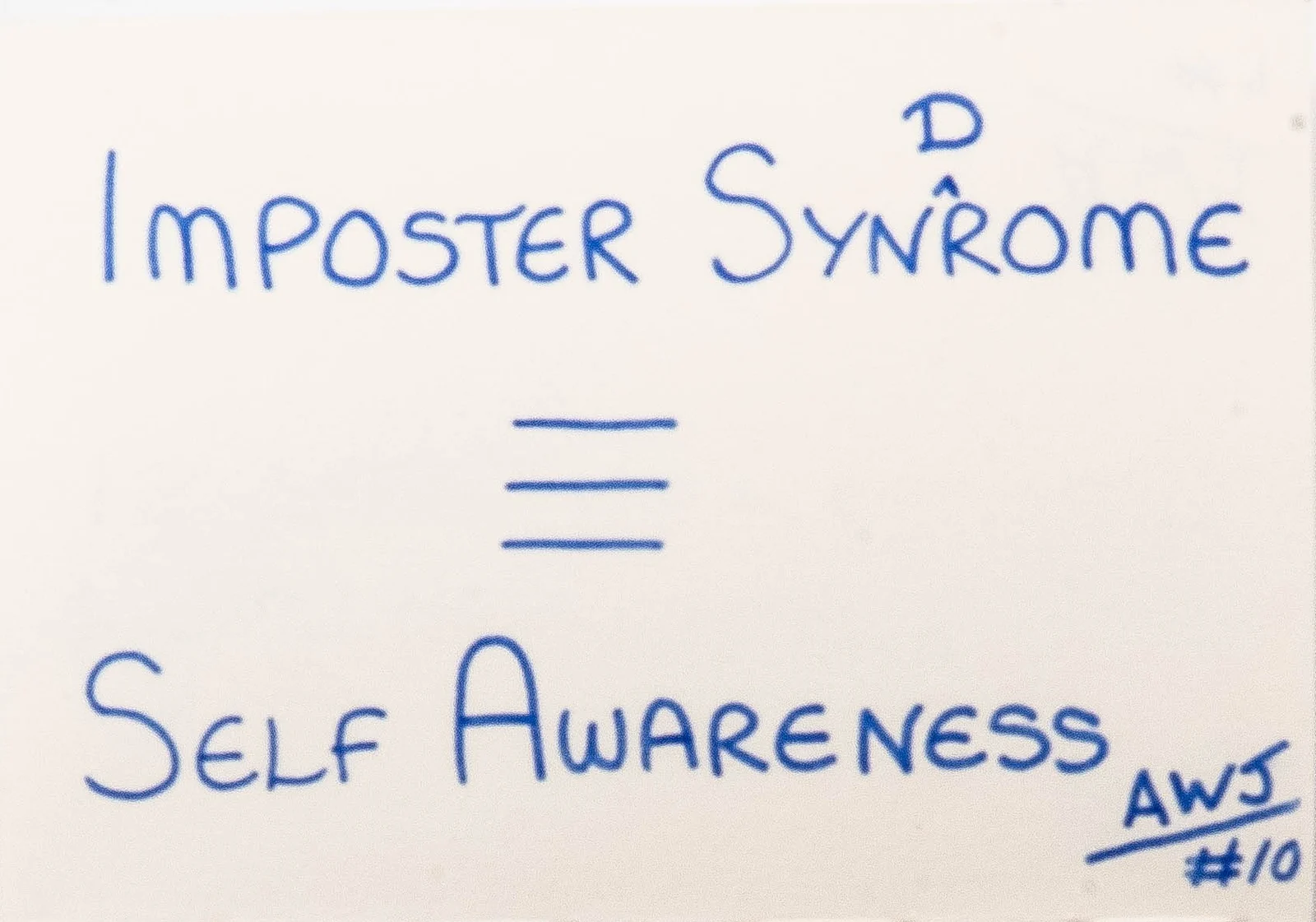
Only the self-aware suffer from imposter syndrome. Where it comes from, why it shows up when you are growing, and why I treat it as a skill: in sales, in founding and on stage.
Where I stand
Only the self-aware suffer from imposter syndrome. The actual imposters, the ones overselling themselves and claiming success they never earned, are the reason it exists, and they never feel it. If you do, you are growing into territory where you cannot yet prove you belong, and the feeling is the evidence. Be kind to yourself, do not let it hold you back, and treat it as what it is: a skill, and the source of your authenticity.
Only the self-aware suffer from imposter syndrome.
I first wrote that line down as Maxim 10, and I have put it to a lot of people since. Every one of them agreed. But the longer I sit with it, the more I think it looks at the wrong end of the problem. We talk endlessly about the syndrome. We never talk about the imposters.
Who are the imposters?
Not you. The actual imposters. The ones overselling themselves, claiming success they did not authentically achieve, bigging themselves up beyond their worth. The LinkedIn headline that reads “I took the company from $x to $xxx” when there were a hundred other people in the building. Without them there would be no imposter syndrome, because there would be nothing to be mistaken for.
Think about what the feeling actually is. You walk into the room and you worry about what people are thinking. Who does he think he is? He should not be in here. Clearly, he is out of his depth.
You only imagine those sentences because you know they are what people think about actual imposters. You have seen it. You have thought it yourself, about someone else.
So by virtue of having imposter syndrome, you are not an imposter. It would not be a syndrome if you were. The real ones never feel it. That is rather the point of them.
When does it show up?
Only when you are growing. A self-aware person does not get imposter syndrome doing something they have done a hundred times. It arrives at the edge, in the uncharted territory of your own potential, where you cannot yet prove to yourself that you belong. That uncertainty is the feeling. It is also the only evidence you get, in the moment, that you are moving.
A-Players are uncomfortable being comfortable. When I wrote that maxim, imposter syndrome was on the list of discomforts, next to the hunger and the nagging question of whether you are doing enough. Roger Federer hired a new coach at 33, with 17 Grand Slams already won, and chose to be bad at a new backhand in public. You do not do that without feeling, on some Tuesday in practice, like a fraud. He won three more majors after 35.
And that is okay. The two conditions are that you are kind to yourself while it happens, and that you do not let it hold you back. Feel it, name it, walk in anyway.
The first deal, the first team, the first stage
Sales is where I learnt this. Early in my career I felt like I was playing sales on hard mode while everyone around me was on easy mode. The first time I sat across from a real Economic Buyer, someone who could say yes or no to the whole deal, every one of those borrowed sentences ran through my head.
What I know now is that the rep who feels nothing in that room is the one to worry about. The feeling means you understand what is at stake. MEDDIC gave me a way to turn the uncertainty into questions I could go and answer, and the B-Player version of me became the A-Player version. The feeling did not go away. It got a job.
Then the first team. I was a store manager at Phones 4u in 2004 and Head of Sales at Everest Home Improvements before the year was out. Nobody hands you a manual. You are certain the team will work out that you are making it up as you go, and the honest answer is that every first-time leader is.
My biggest failure as a leader came later and had nothing to do with making it up. I avoided a hard conversation with a failing executive for the best part of a year, telling myself I was gathering context, when the truth is I did not yet have the guts or the tools. The feeling had been telling me to go and get the tools. Eventually I listened and hired a coach.
Then the first stage. Mine was at a holiday resort in 2001, as an entertainer and DJ, so I had a head start, and it still did nothing for me the first time I walked out in front of a sales kickoff as the person flown in to tell them how to sell. Founding a company was the same feeling at a larger scale. The first hire. The first time someone introduced me as the CEO and I glanced over my shoulder to see who they meant.
Every one of those firsts had the same signature. New territory, no proof yet, and a self-aware mind filling the silence with other people’s imagined verdicts. Every one of them was growth.
Why it is a skill
Your imposter syndrome is a skill. A strength. An indicator of your emotional intelligence. It means you can read a room, see yourself the way others might, and care whether your claims are earned. The actual imposters cannot do any of that, which is exactly why they are so comfortable.
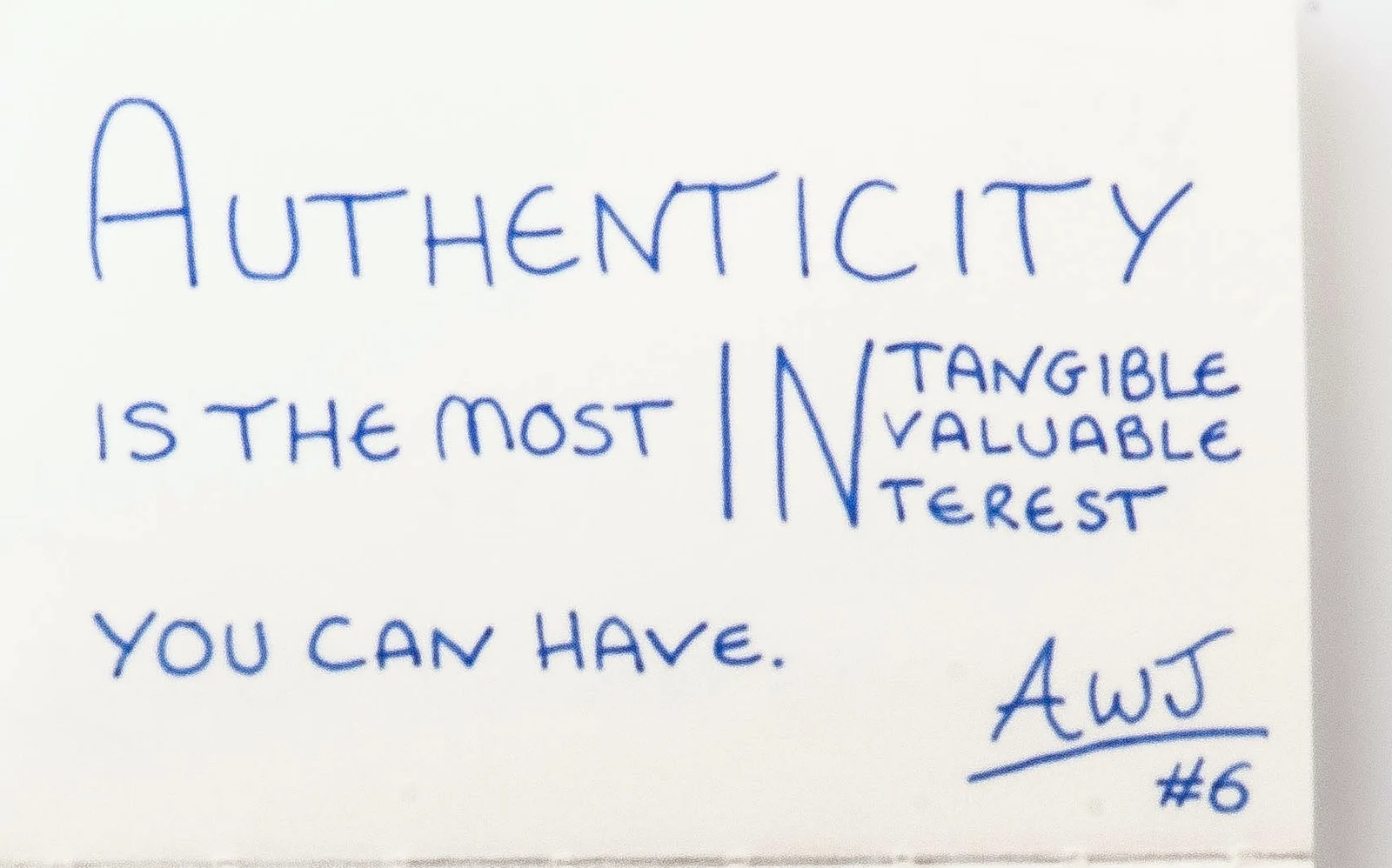
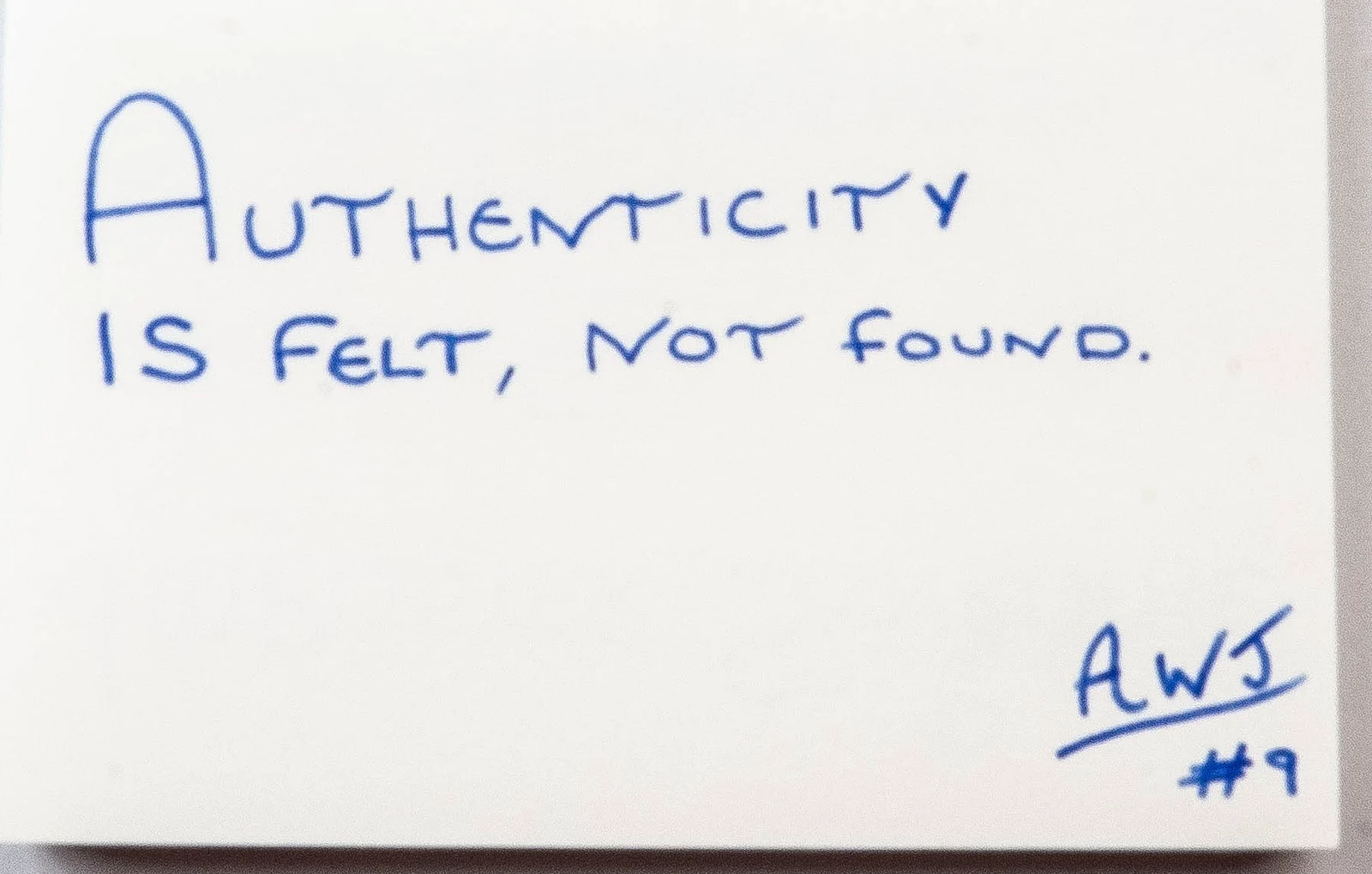
Authenticity is felt, not found. People cannot always say why they trust someone, but they feel the difference between earned and performed, the way the brain lights up for a Rembrandt it believes is real. In an ever-inauthentic world, where unearned egos go unchecked, your authenticity becomes your number one intangible asset.
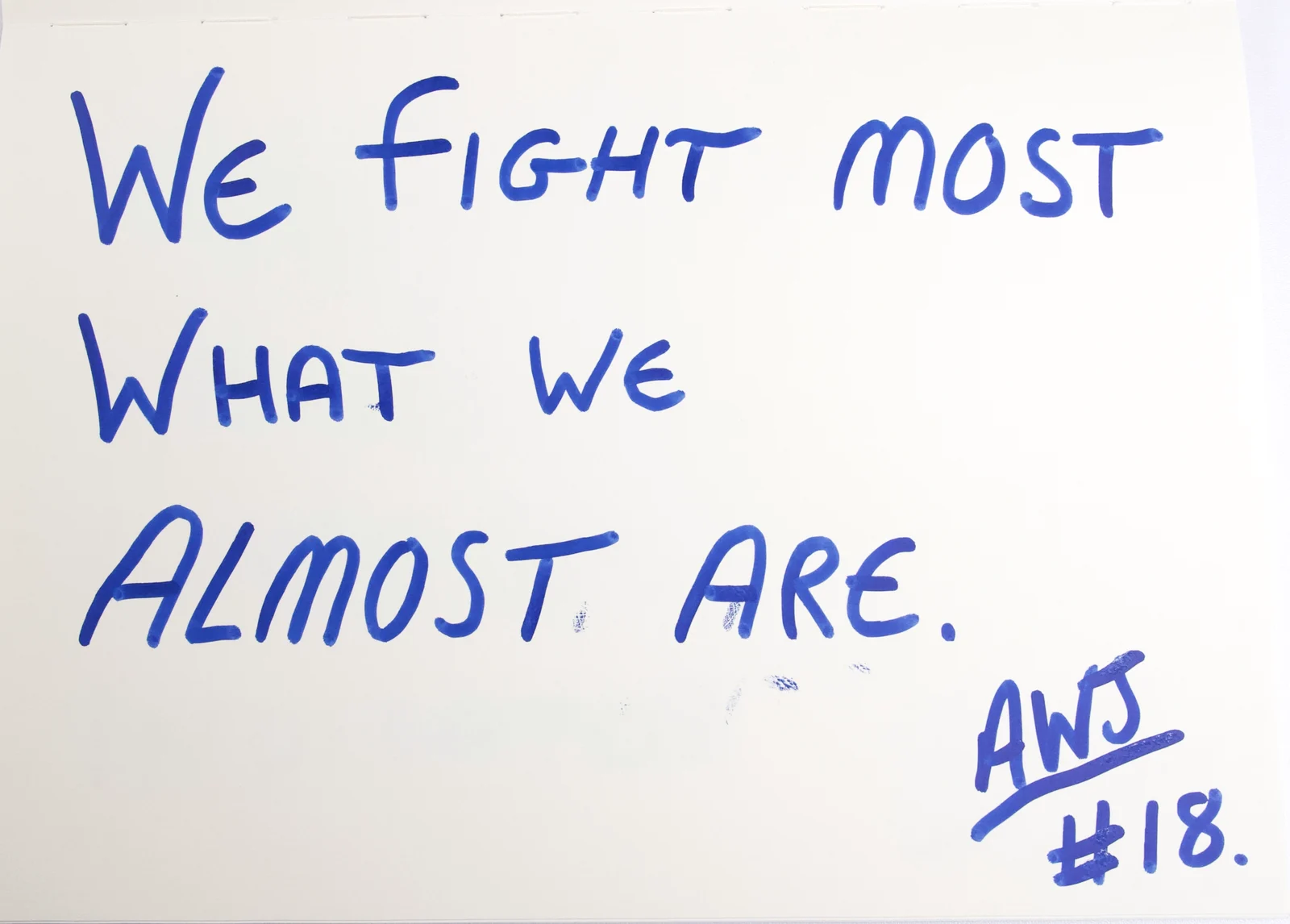
One honest caveat, because I wrote a Maxim about it. We fight most what we almost are. The self-congratulatory headline winds me up precisely because I know how the pull works, and so do you.
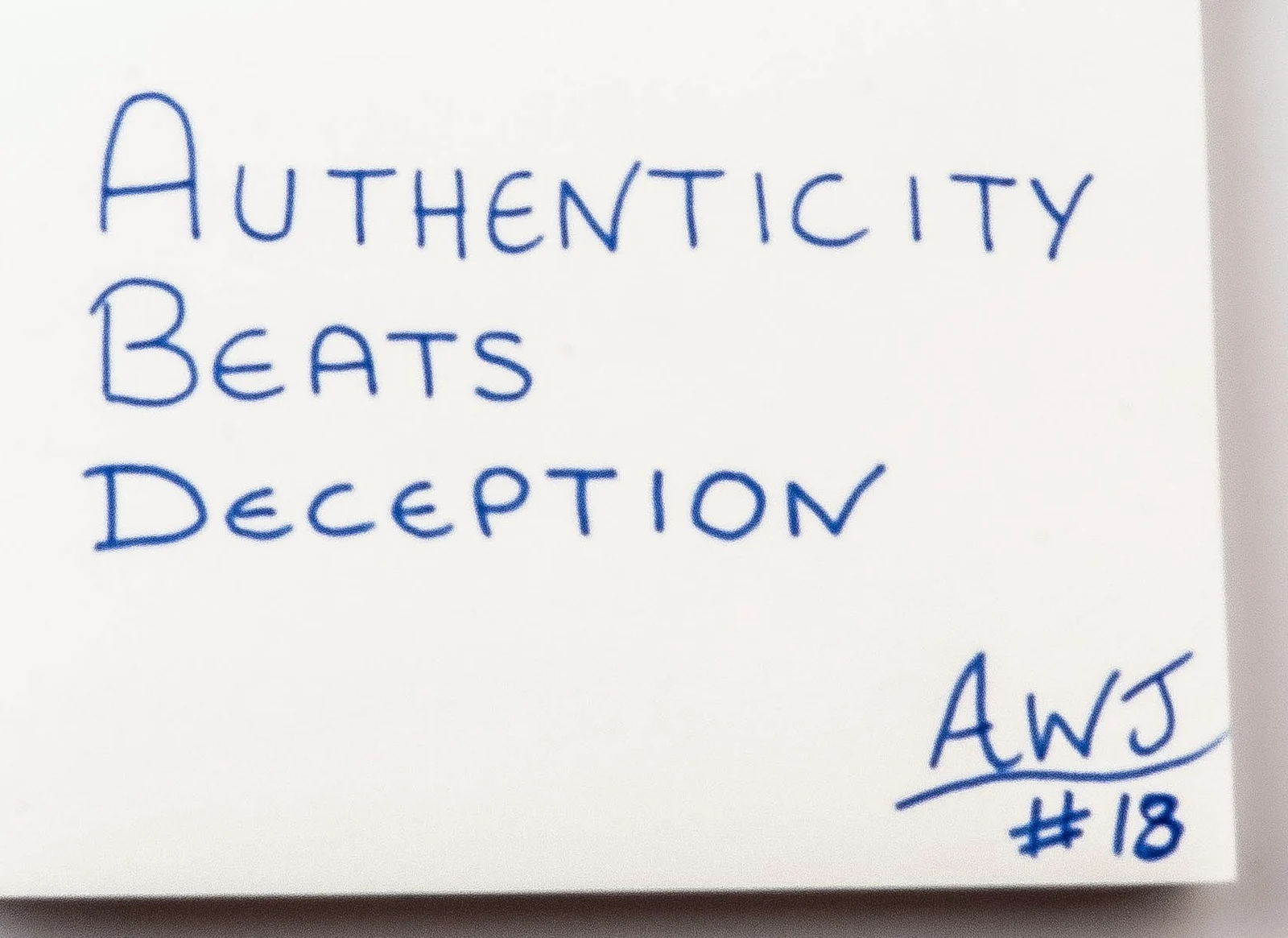
You feel the pull too. The imposter gives in to it. You check your claims against what you actually did before you make them, and that habit is the whole difference. Authenticity beats deception, in a deal and in a career, because the room finds out either way.
The imposters are busy performing. You are busy growing. Over twenty years, only one of those compounds.
So the next time it shows up, do not go looking for a cure. Write down what you are doing that is new. That list is the growth. The feeling is the receipt.
What are you growing into right now?
From the journal
The Maxims on this subject.
Questions answered
The things people actually ask.
What is imposter syndrome?
Imposter syndrome is the feeling that you do not belong in the room and that the people in it are about to find out. Only the self-aware suffer from it. It arrives when you are growing into new territory where you cannot yet prove to yourself that you belong, and it borrows its script from what people think about actual imposters. Which is the giveaway: if you were one, you would not feel it.
Why do only self-aware people get imposter syndrome?
Because the feeling needs self-awareness to exist. To worry that people are judging you, you have to be able to see yourself as others might, and to care whether your claims are earned. The actual imposters, the ones overselling themselves and claiming success they did not achieve, cannot do either, which is why they walk into every room comfortable. The syndrome is self-awareness pointed at yourself at the exact moment you are stretching.
What causes imposter syndrome?
Actual imposters cause it. Without people overselling themselves, claiming success they did not authentically achieve and bigging themselves up beyond their worth, there would be nothing to be mistaken for and no syndrome. When you feel it, you are imagining the verdicts people pass on those imposters, who does he think he is, he should not be in this room, and applying them to yourself. You only know those sentences because you have thought them about someone else.
Is imposter syndrome a weakness?
No. It is a skill, a strength and an indicator of emotional intelligence. It means you can read a room, see yourself the way others might, and care whether what you claim is earned. The person to worry about is the one who never feels it, because that person is either not growing or not self-aware enough to notice. The only conditions are to be kind to yourself while it happens and to refuse to let it hold you back.
Does having imposter syndrome mean I am an imposter?
No, and the logic runs the other way. By virtue of having imposter syndrome you are not an imposter, because it would not be a syndrome if you were. Real imposters do not lie awake wondering whether they deserve the room. The fear you feel is borrowed from what you know people think about them, and the fact that you can feel it proves the self-awareness they lack.
When does imposter syndrome show up?
When you are growing. A self-aware person does not get it doing something they have done a hundred times. It appears at the edge of your potential: the first big deal, the first team you lead, the first stage you stand on, the first time you are the one everyone is looking at. The uncertainty of moving into uncharted territory is the feeling. It is also the only evidence you get in the moment that you are moving.
How do you deal with imposter syndrome as a CEO or founder?
Stop treating it as a condition to cure and start reading it as a signal. Write down what you are doing that is new: the first hire, the first big customer, the first call nobody above you can check. That list is the growth. The feeling is the receipt. Be kind to yourself while it happens, do not let it stop you walking in, and go and get the tools you lack, which for me meant hiring a coach.
How do you handle imposter syndrome in sales?
Turn the uncertainty into questions. The first time you sit across from a real Economic Buyer, every imagined verdict runs through your head. The rep who feels nothing in that room is the one to worry about, because the feeling means you understand what is at stake. A common language like MEDDPICC converts the worry into things you can go and find out: who decides, what the pain costs, who will sell for you when you are not there. The feeling stays. It gets a job.
Does imposter syndrome go away?
No, and you should not want it to. It goes quiet when you stop growing and comes back the moment you step into the next piece of new territory. A-Players are uncomfortable being comfortable, and imposter syndrome sits on their list of discomforts next to the hunger and the question of whether they are doing enough. If it has gone for good, ask yourself when you last did something you could not yet prove you were good at.
What is the link between imposter syndrome and authenticity?
Imposter syndrome is what authenticity feels like from the inside while you grow. The actual imposters are busy performing, and in a world where unearned egos go unchecked, that performance gets rewarded for a while. Authenticity is felt, not found: people sense the difference between earned and claimed even when they cannot say why. Over twenty years, authenticity is the asset that compounds, which makes it your number one intangible asset, and the self-awareness behind your imposter syndrome is where it comes from.