Topic hub
Keynote speaking
Keynotes and sales kickoff sessions built around your deals, from the author of MEDDICC. What I speak about, what a good SKO keynote does and does not do, and how I prepare.
Where I stand
A keynote has one job: Monday has to be different. I build every talk around the team's own deals, stage gates and objections, so the room leaves with one way of thinking they can use in their next deal review rather than a quote for the wall. I treat every keynote like it has to be the greatest of all time. Nobody acts on what bored them, and nobody acts on theory either.
The first stage I stood on was at Potters, a holiday resort, in 2001. Entertainer and DJ, three years before I sold anything. You learn fast in that job what a room feels like when it is with you, and the exact moment it leaves. Twenty years of selling later, that is still the only metric I care about on a stage.
Most sales kickoff keynotes lose the room by the third slide. A speaker who has never carried a number tells a team that has to carry one how to feel about it. The team claps, goes to the bar, and sells on Monday exactly the way they sold on Friday.
A keynote has one job. Monday has to be different.
What I speak about
Four things, and they overlap.
Qualification. MEDDPICC, from the person who wrote the book on it and runs the company that teaches it. What the letters mean, where teams fake them, and what it looks like when it is a way of thinking rather than a form in the CRM.
Deal inspection. How leaders run deal reviews and forecast calls that find the truth. Why “I’m working it hard” is a confession. Why the B in B-Player stands for busy, and why there is no such thing as a C-Player.
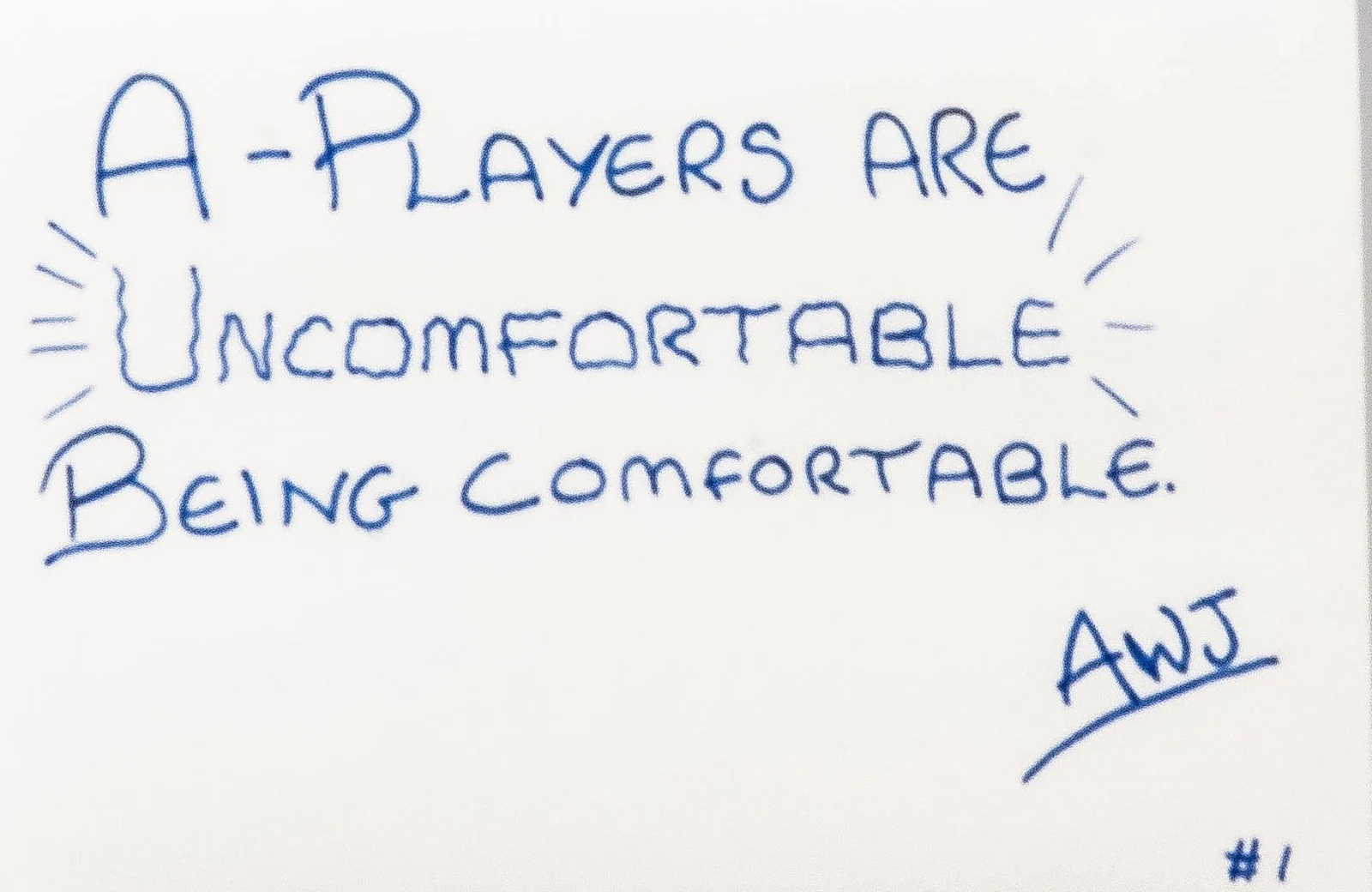
Sales as a thinking discipline. The habits of A-Players, who are uncomfortable being comfortable, and the patterns that separate them from theatre.
The human side of selling. Imposter syndrome, which only the self-aware suffer from. Authenticity, which is felt, not found. Urgency, which is an emotion and cannot be emailed. The things reps carry into the room that no methodology covers.
I speak at sales kickoffs, revenue summits and leadership offsites, in person around the world and virtually.
What a good SKO keynote does
It gives the room one way of thinking they can use on Monday. One. If your team leaves with a framework for their next deal review, you have had a good keynote. If they leave with twelve takeaways and a quote for the wall, they have had a nice morning.
It uses your deals. The best session I can run is built around your team’s actual opportunities, your stage gates and the objections your reps hear every week. When the examples are theirs, nobody can dismiss it as theory.
It respects the leaders in the room. Your managers hear their own language in the talk and can carry it into Tuesday’s pipeline review without translating.
And it entertains, because people do not act on what bored them.
Now what it does not do. It does not pitch my company. If you want training, that lives at meddicc.com, and the keynote stands on its own.
It does not tell your team they are amazing for an hour, because motivational soundbites fade by Tuesday and your reps know it before you do. It does not recycle last year’s deck with your logo on the title slide. And it does not pretend selling is easy. The room is full of people who know it is not.
Three formats
Keynote. A 30 to 60 minute talk built around MEDDICC: the principles, the failure modes, and the patterns that separate A-Players from theatre. For conferences and revenue summits.
Sales kickoff. A bespoke session designed around your deals, your stage gates and your objection patterns. It goes deeper than a keynote because the material is yours.
Master of ceremonies. I host the event end to end. Set the tone, hold the energy, conduct the panels, deliver the close. Best for SKOs and revenue summits, where the day has to feel like one event rather than eight.
How I prepare
I treat every keynote like it has to be the greatest of all time. At MEDDICC we call it the KEYGOAT mindset. Nobody is claiming to be the greatest speaker alive. The standard is for the talk: painstakingly curated, built from scratch for the room, and engineered to send every person out ready to take immediate action.
That starts with your deals. Before I write a word, I want the opportunities your team is working, the stage gates they have to pass, and the objections they keep hearing. I want to know what your leaders inspect and what they let slide. The talk is written from that, which is why no two are the same.
Then it gets rehearsed until the room gets a performance rather than a presentation. The Potters training never left.
Who books me
Sales and enablement leaders at CrowdStrike, Microsoft, Amazon Web Services and Dun and Bradstreet, and at Net Health, MRI Software and Arctic Wolf Networks. Michael Sentonas, President of CrowdStrike, said the session had “incredible passion” and that I “absolutely nailed it”. Hannah Klug, VP of Sales Enablement at Arctic Wolf Networks, put it more plainly: “OMG Andy owned the stage!” Susan Kinser at Net Health was grateful that I “flew halfway across the world” to their event. That is the job.
The review I value most came from Adeeb Chowdhury, a sales leader at CrowdStrike, looking back on the half that followed the SKO: “an awesome first half of the FY since SKO”. Applause on the day is nice. The half that follows is the point.
If your kickoff or summit is in the diary, tell me about your deals and what your team needs to do differently afterwards. That is where every talk starts.
So. What does your team need to do differently on Monday?
From the journal
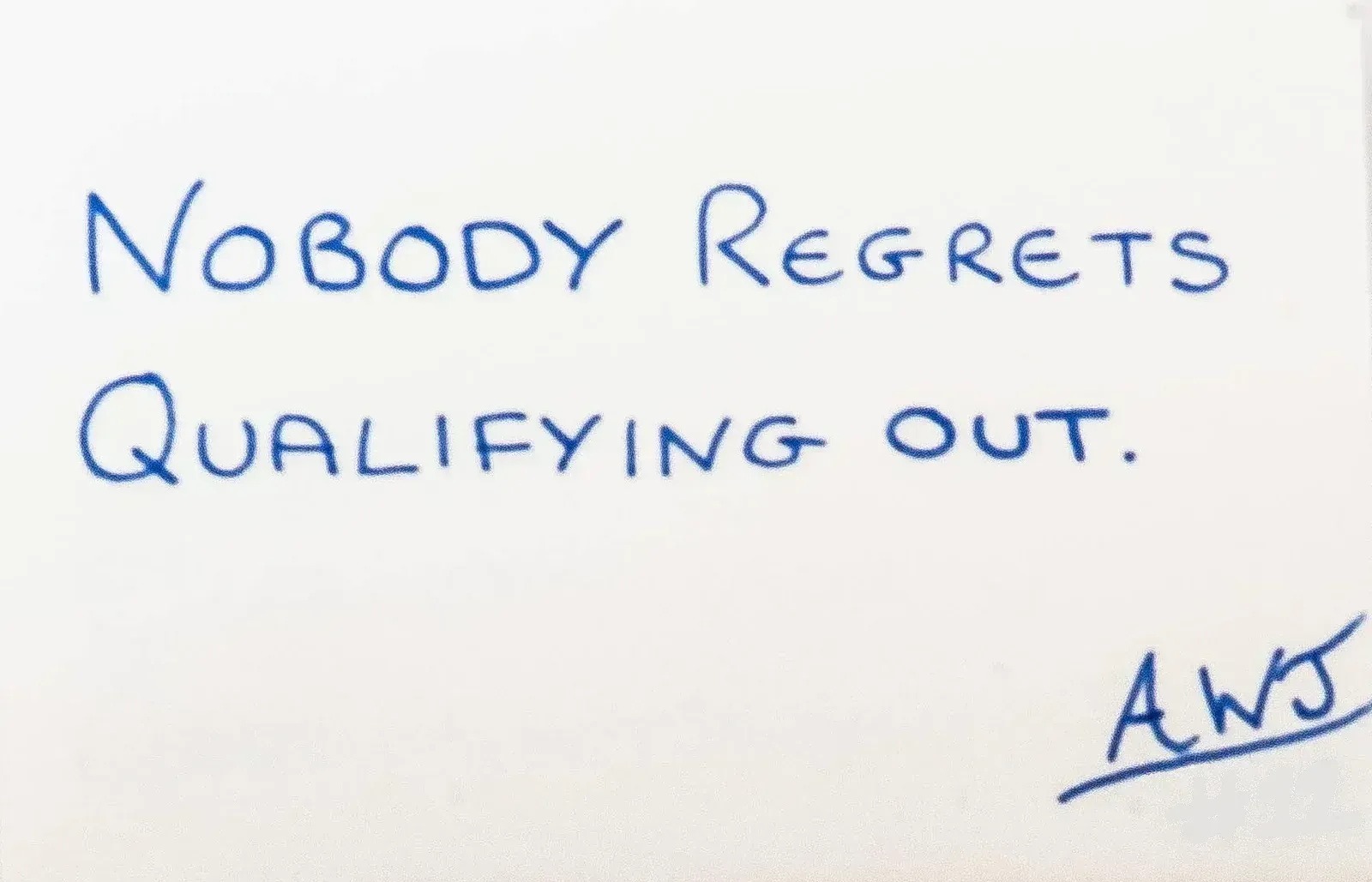
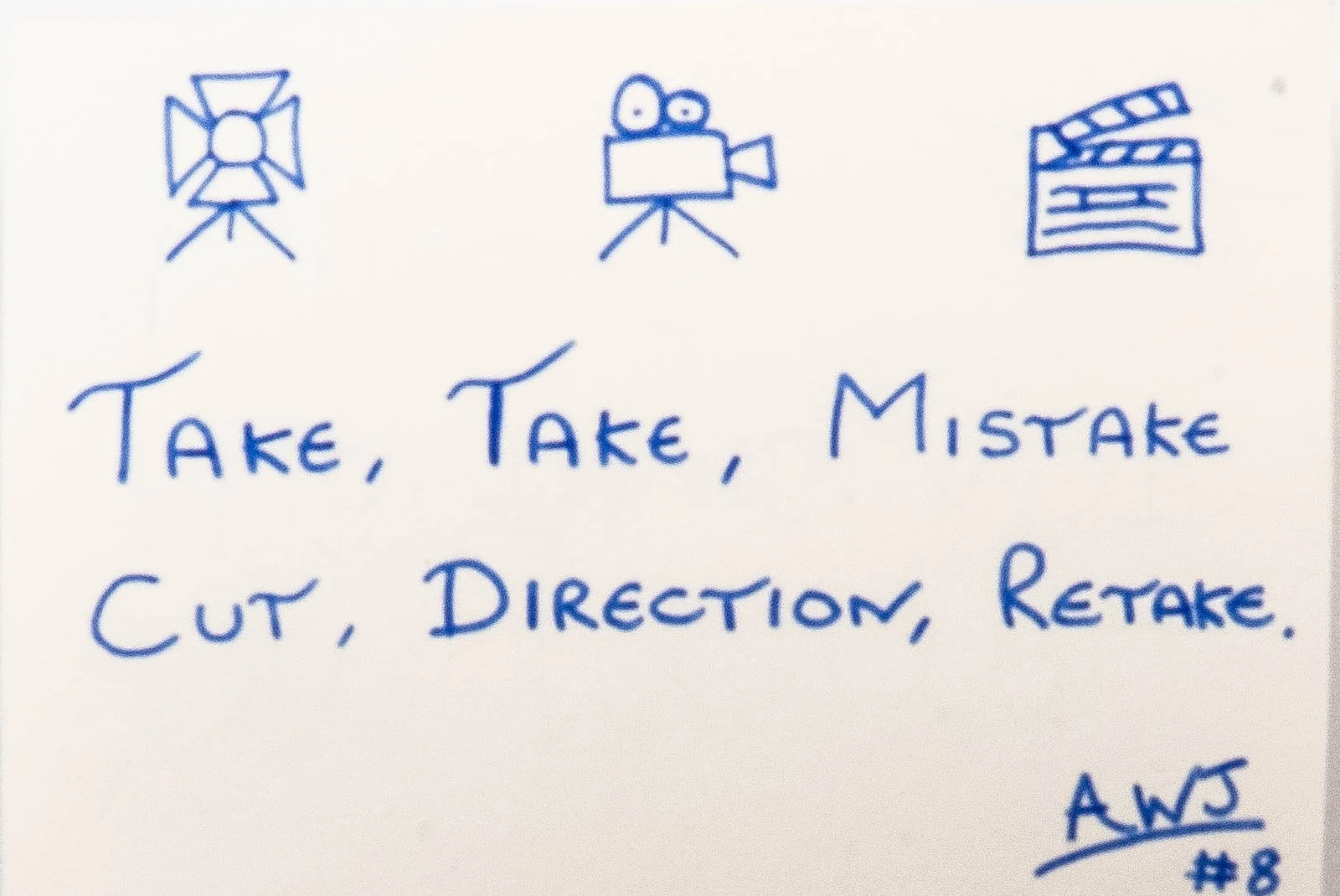
The Maxims on this subject.
Questions answered
The things people actually ask.
What does Andy Whyte speak about?
Four things. Qualification, meaning MEDDPICC from the author of the MEDDICC book. Deal inspection, meaning how leaders run deal reviews and forecast calls that find the truth. Sales as a thinking discipline, meaning the habits of A-Players and the patterns that separate them from theatre. And the human side of selling: imposter syndrome, authenticity and urgency. He speaks at sales kickoffs, revenue summits and leadership offsites, in person around the world and virtually.
What makes a good sales kickoff keynote?
It changes what the team does on Monday. A good SKO keynote gives the room one way of thinking they can apply in their next deal review, uses the team's own deals, stage gates and objections as the examples, and leaves the managers with language they can carry into the next pipeline review. It also entertains, because nobody acts on what bored them. Twelve takeaways and a quote for the wall make a nice morning. They do not make a keynote.
What should an SKO keynote avoid?
Motivational soundbites that fade by Tuesday, a product pitch dressed up as a talk, last year's deck with a new logo on the title slide, and any speaker who has never carried a number telling a room full of people who carry one how to feel about it. A sales team can smell theatre from the back row. If the examples are generic, the room has already decided the advice is too.
What speaking formats does Andy Whyte offer?
Three. A keynote, which is a 30 to 60 minute talk built around MEDDICC, its principles, its failure modes and the patterns that separate A-Players from theatre. A sales kickoff session, bespoke to the team's deals, stage gates and objection patterns, which goes deeper than a keynote. And master of ceremonies, hosting an event end to end: setting the tone, holding the energy, conducting the panels and delivering the close. MC is best for SKOs and revenue summits.
How long is an Andy Whyte keynote?
A keynote runs 30 to 60 minutes. A sales kickoff session is built to the client's agenda and goes deeper, because the material is the team's own deals rather than a general talk. As master of ceremonies, Andy hosts the whole event from opening to close. The right length is the one that leaves the team with a single way of thinking they will use on Monday, which usually means shorter and sharper than people expect.
Does Andy Whyte speak virtually and outside the UK?
Yes to both. Andy keynotes in person globally and virtually for SKOs, leadership offsites and revenue summits. Recent stages include CrowdStrike, Microsoft, Amazon Web Services and Dun and Bradstreet, and Net Health's enablement lead thanked him for flying halfway across the world to their event. For UK and European events, the keynote speaker page for the UK and Europe has the detail.
How does Andy Whyte prepare for a keynote?
By building it around the client's deals. Before writing, Andy asks for the opportunities the team is working, the stage gates they have to pass and the objections they keep hearing, so the examples in the talk are theirs. Every talk is built from scratch for the room and rehearsed as a performance. The standard is the KEYGOAT mindset: treat every single keynote like it has to be the greatest of all time.
Who has booked Andy Whyte to speak?
Sales and enablement leaders at CrowdStrike, Microsoft, Amazon Web Services and Dun and Bradstreet, plus Net Health, MRI Software and Arctic Wolf Networks. Michael Sentonas, President of CrowdStrike, said Andy 'absolutely nailed it'. Hannah Klug, VP of Sales Enablement at Arctic Wolf Networks, said 'OMG Andy owned the stage!' Mandira Mehra, Chief Marketing Officer at MRI Software, said Andy helped take their GKO to the next level.
What is the KEYGOAT mindset?
KEYGOAT is the standard Andy and MEDDICC hold every keynote to. Nobody is claiming to be the greatest keynote speaker of all time. The point is that every single keynote gets treated like it has to be the greatest of all time: painstakingly curated, wildly creative, built for that specific room, and engineered to send every audience member out fired up to take immediate action. The talk is judged by what the team does afterwards, never by the applause on the day.
How do I book Andy Whyte to speak?
Go to the speaking page on this site and use the enquiry route there, or the contact page with the topic set to Speaking, or email [email protected]. Say what the event is, when it is, who is in the room and what the team needs to do differently afterwards. The more Andy knows about your deals, your stage gates and your objection patterns, the better the session will be, because that is what it gets built from.